
Case Study
Scaling Documentation Capacity for a Growing Multi-Office Firm
Multi-office architectural and engineering firm delivering projects across multiple regions, covering architectural, structural, and MEP services.

Multi-office architectural and engineering firm delivering projects across multiple regions, covering architectural, structural, and MEP services.
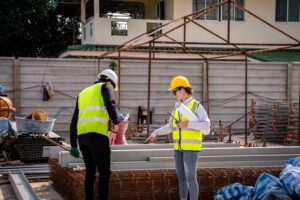
New Zealand-based project team delivering projects requiring fire engineering coordination, with fire engineers and designers retained locally.

UK-based architectural and engineering consultancy delivering projects requiring close Arch, Structural, and MEP coordination. Local registered professionals retained submission responsibility.


Home /Construction and Engineering /AI Quantity Takeoffs vs Manual Estimation AI Quantity Takeoffs vs Manual Estimation Key Takeaways Construction estimating

Home /Construction and Engineering /Smart Construction Using AI Powered Site Monitoring: 7 Expert Tips for Maximum ROI Smart Construction Using

Home /Construction and Engineering /Engineering Resource Planning for Multi Site Projects Engineering Resource Planning for Multi Site Projects Key Takeaways

Home /Construction and Engineering /Drone Data Improves Offshore Engineering Teams: 5 Proven Ways Drone Data Improves Offshore Engineering Teams Key
Home /Construction and Engineering /AI Construction Scheduling for Mega Infrastructure Projects AI Construction Scheduling Key Takeaways AI construction scheduling applies

Home /Construction and Engineering /Digital Twins in Construction: Benefits for Large Projects Digital Twins in Construction Key Takeaways Digital twins

Home /Construction and Engineering /Using Offshore Support to Manage Complex Engineering Projects Offshore Support to Manage Complex Engineering Projects Key

Offshore Teams Improve Construction Project Delivery Key Takeaways In today’s competitive landscape, offshore teams improve construction project delivery by providing

Home /Construction and Engineering /Why Modern Construction Firms Are Building Offshore Teams Why Modern Construction Firms Are Building Offshore Teams
Home /Construction and Engineering /How Mega Projects Highlight the Need for Better Operations Mega Projects Highlight the Need for Better