

Mega Projects Highlight the Need for Better Operations Key Takeaways
Large-scale infrastructure and energy projects continue to reveal critical weaknesses in how construction firms manage engineering, procurement, and site execution.
- Mega projects highlight the need for better operations by exposing the limits of manual workflows and siloed teams in mega construction projects .
- Integrating BIM modeling , CAD drafting , and project scheduling ( Primavera P6 , Microsoft Project ) early reduces rework and improves construction productivity .
- Strategic engineering outsourcing and workforce scalability through offshore partners can cut overhead while maintaining quality assurance and operational excellence .
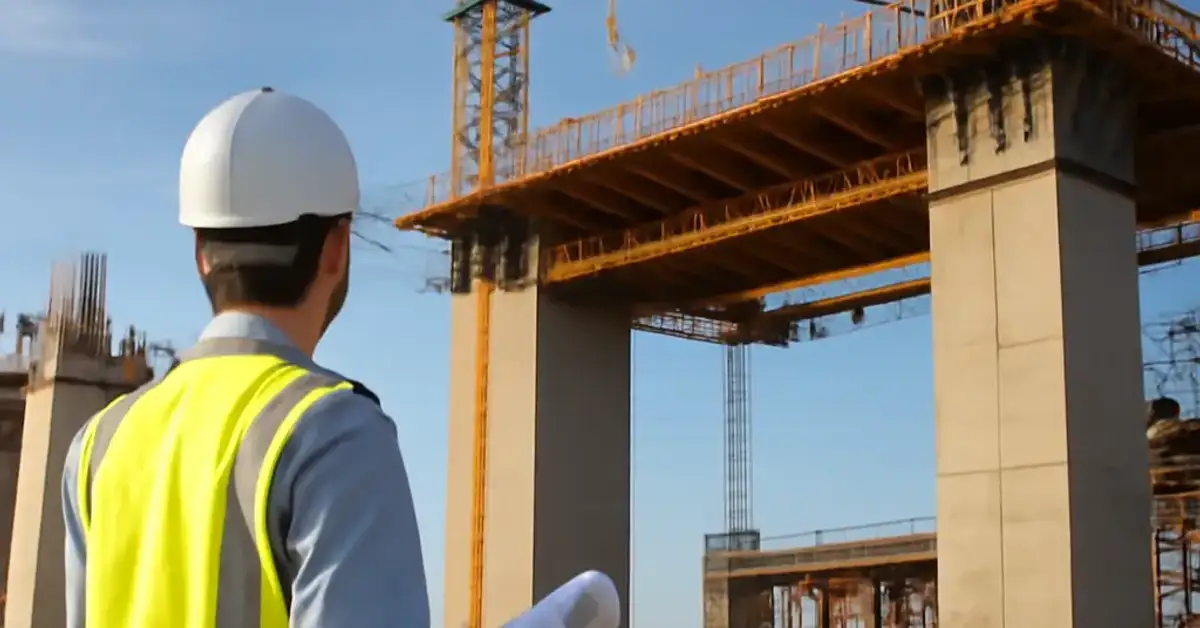
What Do Mega Construction Projects Reveal About Business Operations?
Every mega construction project — whether a billion-dollar refinery, a high-speed rail corridor, or a massive renewable energy farm — starts with ambitious timelines and tight budgets. Yet industry studies consistently show that nearly 70% of megaprojects experience significant delays or cost overruns. The root cause is rarely a single engineering mistake. Instead, it is a systemic failure in construction operations: fragmented communication, manual data handovers, understaffed engineering teams, and weak project controls.
When a project scales beyond a certain threshold, the traditional approach of “more people in a trailer” breaks down. Mega projects highlight the need for better operations because they force leaders to confront the reality that operational efficiency cannot be bought with overtime alone. It must be designed into the workflow.
For construction company owners and EPC contractors, the message is clear: the same operational gaps that cause small project headaches will, in a megaproject, produce catastrophic outcomes. Understanding these gaps is the first step toward building a more resilient business operations model.
Why Large Infrastructure Projects Require Stronger Operational Systems
Infrastructure development projects routinely span multiple years, involve hundreds of subcontractors, and require coordination across geographies. A delayed permit, a missing engineering documentation set, or a misaligned procurement coordination schedule can cascade into months of downtime.
Stronger operational systems — built around project management software, integrated BIM support, and digital engineering — provide the backbone that keeps these complex programs moving. Without them, project coordination becomes reactive rather than proactive. Risk management becomes a retrospective exercise rather than a forward-looking discipline.
Take the example of a recent large-scale highway expansion in Europe. The project team adopted an integrated project controls platform that linked project scheduling in Primavera P6 with construction estimating and quantity takeoffs. When design changes occurred, the system automatically flagged schedule impacts and cost implications. This real-time visibility allowed the engineering management team to make informed decisions within hours instead of weeks.
What Are the Biggest Operational Challenges in Mega Construction Projects?
Even the most experienced construction managers encounter predictable pain points when scaling up. Below are the most common operational bottlenecks that mega projects highlight the need for better operations:
Fragmented Resource Planning and Workforce Planning
Most megaprojects require a surge in engineering and technical staff during design and procurement phases. Without workforce scalability, firms either hire expensive contractors or push existing teams beyond capacity. Both approaches erode margins and increase burnout.
Weak Document Control and Technical Documentation Systems
When engineering documentation lives in local drives, email attachments, or disparate systems, version disputes become inevitable. Document control failures lead to rework, safety risks, and contractual disputes.
Disconnected Workflow Optimization Across Engineering, Procurement, and Construction
Cross-functional collaboration between engineering teams, procurement departments, and site crews is often hindered by incompatible tools and processes. This disconnection undermines construction workflows and delays project delivery.
Inadequate Capacity Planning for Digital and Physical Resources
Many firms invest in construction technology like BIM software but fail to plan for the server capacity, training, and support needed to operate it at scale. Capacity planning must cover both digital infrastructure and human talent.
How Do Construction Firms Improve Operations for Complex Projects?
Improving construction operations in the context of megaprojects requires a multi-pronged approach that addresses people, process, and technology. Here are six strategies that leading EPC contractors and infrastructure developers are using to close operational gaps.
1. Integrate BIM Modeling with Project Scheduling
Connecting BIM modeling tools to scheduling platforms like Primavera P6 or Microsoft Project enables 4D simulation — linking 3D design models to time-based sequences. This integration helps teams visualize construction phases, identify clashes before they occur, and optimize workflow optimization across trades.
2. Centralize Engineering Documentation and Document Control
A single source of truth for all CAD drafting files, specifications, submittals, and RFIs eliminates version chaos. Cloud-based document control systems with automated revision tracking and approval workflows support remote collaboration across offices and job sites.
3. Build a Scalable Offshore Engineering Support Team
Strategic engineering outsourcing provides workforce scalability without the fixed overhead of full-time local hires. Offshore engineering support teams can handle BIM modeling, CAD drafting, construction estimating, and quantity takeoffs, freeing in-house experts to focus on high-value engineering management and project coordination. For a related guide, see Managing Large Construction Projects With Offshore Support.
4. Implement Robust Project Controls and Risk Management
Project controls go beyond earned value management. Modern systems integrate schedule, cost, risk management, and quality assurance data into a single dashboard. This allows project managers to detect trends early and adjust resource planning before issues escalate.
5. Standardize Construction Workflows with Digital Engineering
Digital engineering methods — including automation of quantity takeoffs from BIM models and rule-based checking of engineering documentation — reduce manual effort and improve consistency. Standardized construction workflows enable faster onboarding of new team members and better cross-functional collaboration.
6. Invest in Construction Technology That Supports Remote Collaboration
Cloud-based platforms for project management, field data collection, and real-time dashboards keep distributed teams aligned. Remote collaboration tools are no longer optional; they are essential for maintaining operational efficiency when experts are spread across multiple time zones.
What Role Do Offshore Engineering Teams Play in Operational Efficiency?
For many EPC contractors and engineering firm owners, the decision to engage an engineering outsourcing partner is driven by cost. But the real value of offshore engineering support lies in its ability to improve operational efficiency and workforce scalability.
- BIM modeling and CAD drafting produced offshore can be delivered overnight, accelerating project scheduling.
- Construction estimating and quantity takeoffs prepared by dedicated offshore teams reduce backlogs in local departments.
- Engineering documentation and document control managed offshore ensure that every version is tracked and accessible.
- Offshore teams provide capacity planning flexibility, scaling up during peak design periods and scaling down as construction ramps up.
A mid-sized civil engineering firm recently partnered with an offshore engineering services provider to handle all BIM support and technical documentation for a major airport expansion. Within three months, the firm reduced its design review cycle by 40% and improved quality assurance scores on submittals. The project team credited the improvement to clear cross-functional collaboration protocols and daily remote collaboration stand-ups. For a related guide, see 7 Proven Benefits of Offshore BIM Teams Supporting Major Building Projects.
How Do BIM, CAD, Estimating, Scheduling, and Document Control Support Project Success?
Individual software tools are powerful, but their true potential emerges when they are integrated into a cohesive digital construction ecosystem. Mega projects highlight the need for better operations because standalone solutions create new silos rather than breaking old ones.
BIM Modeling and CAD Drafting
BIM modeling provides a shared digital representation of the physical asset, while CAD drafting delivers the detailed 2D documentation required for permitting and fabrication. Together, they eliminate geometric clashes and support infrastructure planning that is both accurate and constructible.
Construction Estimating and Quantity Takeoffs
Automated quantity takeoffs from BIM models reduce manual measurement errors. Construction estimating software linked to live model data ensures that cost forecasts reflect the latest design changes. This integration supports procurement coordination by generating accurate material lists and purchase orders.
Project Scheduling with Primavera P6 and Microsoft Project
Project scheduling tools enable resource planning and workforce planning at a granular level. When schedules are linked to document control and quality assurance milestones, the project team gains visibility into dependencies that often cause delays.
Document Control and Engineering Documentation
A robust document control system serves as the backbone of project coordination. It ensures that every RFI, submittal, and change order is logged, tracked, and accessible. Technical documentation that is properly indexed and version-controlled reduces rework and supports operational excellence.
How Can Companies Reduce Delays Through Better Coordination and Workflows?
Delays in mega construction projects often stem from handoffs between disciplines. A civil engineer finishes a design, passes it to a structural engineer, who then sends it to a detailer — and each handoff creates waiting time. Workflow optimization targets these transition points.
- Establish clear cross-functional collaboration gateways with defined deliverables and sign-off criteria.
- Use project controls dashboards to visualize workflow bottlenecks in real time.
- Leverage digital engineering automation to perform checks that traditionally required manual review.
- Integrate procurement coordination with engineering schedules so long-lead items are ordered before design is finalized.
A large infrastructure development firm in Asia adopted a business process outsourcing model for its engineering documentation and document control. By shifting routine documentation tasks to a partner, the firm’s senior engineers could focus on resolving design issues. The result was a 30% reduction in the time from design release to construction start.
What Technologies Improve Construction Operations and Collaboration?
Technology adoption in construction has accelerated, but many firms still rely on fragmented tool stacks. Construction technology investments should aim to close gaps between planning, design, and execution.
| Technology | Operational Benefit | Example Use in Megaprojects |
|---|---|---|
| BIM 4D/5D | Visualizes schedule and cost dimensions | Clash detection and sequencing of steel erection |
| Cloud Document Control | Centralized version management and approvals | Submittal review across three continents |
| Primavera P6 / Microsoft Project | Detailed resource and schedule tracking | Integration with field progress data from drones |
| AI-based Estimating | Automated quantity takeoffs and cost prediction | Real-time cost updates from BIM model changes |
| Collaboration Platforms (e.g., Procore, Aconex) | Unified communication and task tracking | RFI and change order workflows with audit trail |
| Digital Twin Platforms | Lives as-built model for operations and maintenance | Handover of complete asset data to owner |
Remote collaboration tools have also become indispensable. Teams using cloud-based BIM support platforms can perform model reviews across time zones. Digital construction workflows that connect field tablets to office-based engineering management enable rapid issue resolution.
How Can Engineering Firms Scale Operations Without Sacrificing Quality?
Scaling an engineering firm for a megaproject requires a careful balance between speed and quality assurance. The temptation to hire rapidly often leads to onboarding inefficiencies and inconsistent output. Instead, leaders should focus on three pillars:
Standardized Processes and Templates
Predefined construction workflows, checking checklists, and deliverable templates enable new team members — including those from business process outsourcing partners — to produce consistent engineering documentation from day one.
Tiered Team Structure
Use senior in-house engineers as reviewers and decision-makers. Deploy offshore engineering support for production tasks such as CAD drafting, quantity takeoffs, and preliminary BIM modeling. This tiered model preserves quality assurance while providing workforce scalability.
Automated Quality Gates
Integrate automated checks into digital engineering workflows. For example, rule-based software can verify that technical documentation complies with project standards before it reaches the reviewer. This reduces review cycles and catches errors early.
An engineering management team at a global contractor used this approach on a multi-billion-dollar petrochemical project. By combining a standardized document control system with an offshore engineering services provider, they maintained operational excellence while processing over 10,000 engineering documentation deliverables without a single critical reject.
What Lessons From Mega Projects Can Help Construction Companies Improve Productivity, Efficiency, and Long-Term Growth?
The operational failures observed in mega construction projects are not inevitable. They are the result of choices made — or not made — during the planning phase. Firms that adopt the following principles will be better positioned to deliver complex projects on time and within budget, while also building a foundation for long-term growth.
- Lesson 1: Invest early in project controls and risk management systems. Reactive management is the enemy of operational efficiency.
- Lesson 2: Build workforce scalability into the organizational model through engineering outsourcing and offshore engineering support.
- Lesson 3: Treat digital construction and BIM support as operational necessities, not optional add-ons.
- Lesson 4: Prioritize cross-functional collaboration and remote collaboration tools that connect site teams with office-based engineers.
- Lesson 5: Make capacity planning a continuous process that covers both human resources and digital infrastructure.
- Lesson 6: Standardize construction workflows and engineering documentation to enable fast ramp-up and consistent quality assurance.
In the end, mega projects highlight the need for better operations because they reveal what is possible when a firm aligns its resources, processes, and technology. For construction company owners, project directors, and engineering firm owners, the path forward is clear: invest in operational excellence today to win the megaprojects of tomorrow.
Useful Resources
Explore further insights on project management and digital construction best practices from industry leaders.
- Project Management Institute — Megaproject Management Challenges
- Autodesk — Building Information Modeling (BIM) Solutions
Frequently Asked Questions About Mega Projects Highlight the Need for Better Operations
What do mega construction projects reveal about business operations ?
They reveal that fragmented workflows, manual data handoffs, and weak project controls undermine schedule and budget performance, highlighting the need for integrated operational systems.
Why do large infrastructure projects require stronger operational systems?
Because they involve multi-year timelines, hundreds of subcontractors, and complex cross-functional coordination, making them vulnerable to cascading delays without robust systems in place.
How do construction firms improve operations for complex projects?
By integrating BIM with scheduling, centralizing document control, leveraging offshore engineering support, implementing project controls, standardizing workflows, and investing in digital construction tools.
What role do offshore engineering teams play in operational efficiency ?
Offshore teams provide workforce scalability, handle production tasks like BIM modeling and quantity takeoffs, and enable 24-hour workflows, improving overall operational efficiency.
How do BIM, CAD, estimating, scheduling, and document control support project success?
Together they create an integrated digital ecosystem that eliminates clashes, automates cost forecasts, tracks schedules, and maintains version control, reducing rework and delays.
What are the biggest operational challenges in mega construction projects ?
Fragmented resource planning, weak document control, disconnected workflows between engineering and construction, and inadequate capacity planning for digital tools and talent.
How can companies reduce delays through better coordination and workflows?
By establishing clear cross-functional handoff criteria, using project control dashboards to visualize bottlenecks, automating checks, and integrating procurement coordination with engineering schedules.
What technologies improve construction operations and collaboration?
BIM 4D/5D, cloud document control, Primavera P6, Microsoft Project, AI-based estimating, collaboration platforms like Procore, digital twin platforms, and remote collaboration tools.
How can engineering firms scale operations without sacrificing quality?
By standardizing processes and templates, adopting a tiered team structure with offshore support, and implementing automated quality gates in digital engineering workflows.
What lessons from mega projects can help construction companies improve productivity, efficiency, and long-term growth?
Invest early in project controls, build workforce scalability via outsourcing, treat digital construction as a necessity, prioritize cross-functional collaboration, and standardize workflows.
What is the first step in improving operations for a mega project?
Conduct an operational audit to identify gaps in resource planning, document control, scheduling integration, and team capacity before scaling.
How does BIM modeling directly affect construction productivity ?
BIM modeling enables clash detection, prefabrication planning, and 4D sequencing, which reduce field rework and improve site productivity.
Why is document control critical for megaprojects?
Because lost or mismatched documentation leads to rework, safety risks, and contractual disputes. Centralized control ensures every stakeholder uses the correct version.
Can small and mid-size engineering firms compete on megaprojects?
Yes, by partnering with offshore engineering support providers for scalability and adopting cloud-based project management tools to level the playing field.
How does risk management differ between small projects and megaprojects?
Megaprojects require proactive, data-driven risk management integrated with schedules and cost models, while small projects can often manage risk with simpler tracking.
What is the biggest mistake firms make when scaling for a megaproject?
Hiring rapidly without standardizing processes or investing in digital infrastructure, leading to inconsistent output and quality problems.
How do project controls help with procurement coordination ?
Integrated project controls link procurement milestones to engineering schedules, ensuring long-lead items are ordered in time to avoid site delays.
What digital engineering tools are most underused in construction?
Automated quantity takeoffs, AI-based rule checking for design compliance, and digital twin platforms are powerful but still not widely adopted across the industry.
How can company owners justify the upfront investment in operational systems?
By calculating the cost of typical rework, delays, and overruns on past projects, then comparing those costs to the investment required for integrated systems and offshore support.
What is the long-term benefit of improving operations for megaprojects?
Firms that master operational excellence on megaprojects build a competitive advantage, attract higher-value clients, and establish a foundation for sustainable growth.