

Smart Construction Using AI Powered Site Key Takeaways
Smart construction using AI-powered site monitoring combines computer vision, drones, and IoT sensors with AI analytics to deliver real-time project oversight.
- Smart construction using AI-powered site monitoring integrates real-time monitoring and predictive analytics to flag issues before they escalate.
- Key components like drones , IoT sensors , and computer vision work together to automate progress tracking and quality control.
- Project managers can leverage digital twins and BIM for seamless collaboration and operational efficiency across the construction lifecycle.
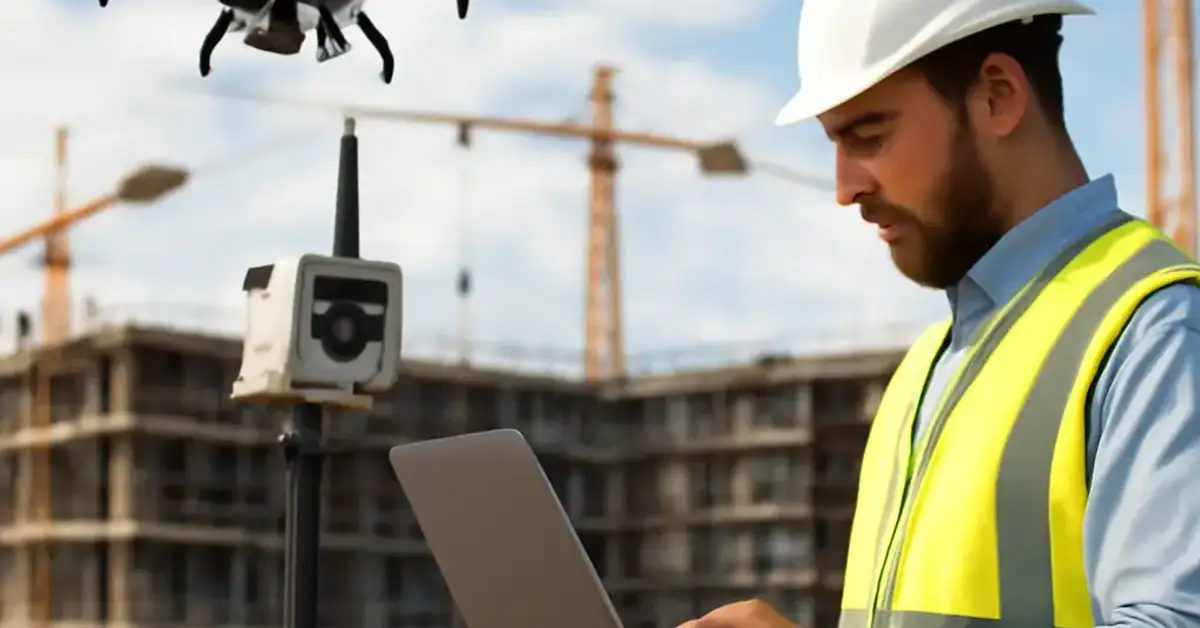
What Is Smart Construction Using AI Powered Site Monitoring and Why It Matters
Smart construction using AI-powered site monitoring represents a fundamental shift in how infrastructure and building projects are managed. It leverages AI-powered site monitoring tools—such as computer vision, drones, and IoT sensors—to gather and analyze on-site data continuously. This construction innovation moves project oversight from periodic inspections to real-time monitoring, enabling proactive decision-making. For a related guide, see AI Construction Scheduling for Mega Infrastructure Projects.
For construction company owners and project managers, the value lies in improved worker safety, tighter quality control, and fewer costly delays. By using predictive analytics, teams can forecast risks and adjust project scheduling dynamically. The result is a more resilient construction management approach that directly impacts profitability and on-time delivery.
In an industry long plagued by productivity stagnation, AI-powered site monitoring has become a central pillar of construction automation and smart infrastructure development. It aligns physical site activities with digital data insights, creating a true digital construction environment. For a related guide, see Digital Twins in Construction: Benefits for Large Projects.
Key Technologies Driving AI-Powered Site Monitoring
Several interconnected technologies power smart construction monitoring. Understanding them helps enterprise leaders pick the right mix for their projects.
- Computer vision: Cameras equipped with AI algorithms automatically detect safety violations, material shortages, and work quality deviations.
- Drones: Aerial site surveillance captures high-resolution imagery for progress tracking, topographic mapping, and remote inspections without exposing workers to hazards.
- IoT sensors: Embedded in equipment, formwork, and even worker wearables, these track equipment tracking, environmental conditions, and structural performance.
- Building Information Modeling (BIM): The digital model of a project serves as the single source of truth, integrating with AI to highlight deviations between as-planned and as-built.
- Digital twins: These real-time virtual replicas of physical assets enable simulation and predictive analytics for asset management and infrastructure monitoring.
- Machine learning: Algorithms learn from historical data to refine delay prediction, risk management, and productivity optimization over time.
Together, these technologies form a site monitoring system that replaces guesswork with data-driven certainty, a hallmark of modern construction technology.
Step-by-Step Guide to Implementing AI-Powered Site Monitoring
Adopting AI construction monitoring requires a structured rollout. The following steps ensure a smooth transition from traditional methods to an integrated smart construction framework.
Step 1: Define Objectives and KPIs
Start by pinning down what you want to improve. Common project monitoring goals include reducing rework, enhancing worker safety, or slashing inspection time. Align construction analytics metrics—like percentage of on-time task completion or safety incident rates—with these objectives. This sets the foundation for compliance monitoring and performance evaluation.
Step 2: Deploy IoT Sensors and Cameras
Install IoT sensors on critical machinery, formwork, and site entry points. Pair them with high-definition cameras positioned for optimal site surveillance. These devices feed raw data into a centralized platform, enabling real-time monitoring of worker locations and equipment tracking. Ensure connectivity coverage across the entire site.
Step 3: Integrate BIM and Digital Twins for Data Alignment
Map sensor and camera feeds to your Building Information Modeling (BIM) environment. Build a digital twin that updates as construction progresses. This overlay highlights discrepancies between the digital plan and physical work, supporting quality control and progress tracking in near real time.
Step 4: Apply AI Analytics for Real-Time Insights
Deploy machine learning models to interpret incoming data. These models can trigger delay prediction alerts when materials lag or labor productivity dips. Use dashboards that visualize construction workflows and flag non-conformities, enabling managers to act before small issues become major risk management problems.
Step 5: Establish Worker Safety and Compliance Protocols
Configure computer vision systems to detect absence of PPE, proximity to danger zones, and unsafe behavior. Automate compliance monitoring reports that document adherence to regulations. This not only prevents accidents but also reduces liability, a critical outcome for smart construction leaders.
Overcoming Common Challenges in AI Site Monitoring Adoption
While the benefits are clear, companies often face hurdles. Addressing these early will accelerate ROI.
- Data silos: Ensure that your BIM, ERP, and sensor platforms communicate through APIs to avoid fragmented construction analytics.
- Initial cost: A phased rollout—starting with a single high-risk project—can demonstrate value before scaling across the portfolio.
- Workforce resistance: Involve site supervisors and safety managers in the design of site surveillance workflows. Position AI as an assistive tool, not a replacement.
- Data security: Protect sensitive asset management and project reporting data with encrypted cloud storage and strict access controls.
- Integration with legacy systems: Work with a construction technology partner that has experience linking IoT sensors to existing on-premise solutions.
Overcoming these barriers is essential for achieving reliable operational efficiency and tapping into the full potential of construction automation.
Maximizing ROI: Optimization Tips for AI Construction Monitoring
Once AI construction management is live, fine-tune your setup to squeeze out every gain. These expert tips move you beyond basic monitoring toward productivity optimization and strategic advantage.
- Use construction analytics to compare planned vs. actual project scheduling daily. Adjust crew allocations proactively.
- Schedule remote inspections via drone to cut travel time for consultants and civil engineers by 40% or more.
- Link equipment tracking data to maintenance schedules to prevent idle time and unexpected breakdowns.
- Generate automated project reporting that stakeholders can access via mobile devices, improving transparency.
- Combine predictive analytics with weather and supply-chain data to anticipate delay prediction triggers and re-plan accordingly.
These actions transform raw data into smart infrastructure outcomes, directly boosting on-time delivery and client satisfaction.
Useful Resources
To deepen your understanding of digital transformation in construction, explore these authoritative sources:
- AGC Construction Technology Resources – Guidance on technology adoption from the Associated General Contractors of America.
- McKinsey: The Next Normal in Construction – Research on disruption and productivity in the construction industry.
Frequently Asked Questions About Smart Construction Using AI Powered Site Monitoring
What is AI-powered site monitoring in construction?
AI-powered site monitoring uses computer vision, drones, and IoT sensors combined with machine learning to gather and interpret real-time construction data, enabling automated oversight, safety inspection, and progress validation.
How does AI improve construction site monitoring?
AI enhances monitoring by analyzing video feeds and sensor data 24/7, instantly flagging anomalies, predicting delays, and providing actionable project reporting that manual walkthroughs cannot match.
How can computer vision, drones, and IoT sensors enhance project oversight?
Computer vision detects safety violations and quality defects; drones capture aerial progress tracking; and IoT sensors monitor equipment and environmental conditions, together creating a comprehensive site monitoring system.
How does AI help improve worker safety and regulatory compliance?
AI-powered cameras identify missing PPE, restricted zone breaches, and unsafe acts in real time, while automated compliance monitoring logs verify adherence to OSHA and local regulations during every shift.
How can AI detect project delays and quality issues in real time?
By comparing daily site images against the project schedule and BIM model, AI highlights where work lags or deviates from specifications, triggering delay prediction alerts for immediate corrective action.
What role do BIM and digital twins play in smart construction ?
Building Information Modeling (BIM) provides the digital master plan, while digital twins mirror the physical build continuously. Together they enable clash detection, scenario simulation, and precise asset management.
Which construction projects benefit most from AI-powered monitoring?
Large-scale infrastructure, high-rise buildings, data centers, and industrial plants gain the most because their complex construction workflows and tight deadlines demand the operational efficiency that AI delivers.
What challenges should companies consider before implementing AI site monitoring?
Key challenges include upfront investment, integration of legacy systems, data privacy concerns, and the need to retrain staff for construction automation roles.
What KPIs should project managers track using AI-powered monitoring systems?
Essential KPIs include schedule variance, safety incident frequency, quality defect rate, equipment tracking utilization, and percentage of remote inspections completed—all visible through construction analytics dashboards.
How can smart construction with AI-powered site monitoring improve safety, productivity, quality, and on-time delivery for modern infrastructure projects?
By providing real-time alerts, automating routine checks, and enabling data-driven decisions, AI reduces rework and downtime while raising worker safety and quality control, leading directly to higher on-time completion rates.
How does predictive analytics help in construction site monitoring?
Predictive analytics examines historical project data and real-time inputs to forecast cost overruns, equipment failures, and weather-related delays, allowing teams to mitigate risk management proactively.
What is the role of machine learning in construction automation?
Machine learning models identify patterns in site data, improve at detecting defects over time, and optimize resource allocation, forming the intelligence behind construction automation decisions.
How do AI-powered site surveillance systems work?
AI-powered site surveillance uses neural networks to analyze video streams for unauthorized access, unsafe behavior, and material theft, sending instant notifications to security and site managers.
Can AI construction monitoring improve equipment tracking?
Yes. IoT sensors on machinery feed location and usage data to AI platforms, enabling precise equipment tracking, automated maintenance alerts, and reduced idle time.
How does real-time monitoring reduce project delays?
With real-time monitoring, deviations from the project scheduling are caught instantly, not days later, allowing rapid rescheduling and resource reallocation before the critical path is affected.
What are the benefits of remote inspections using AI?
Remote inspections cut travel costs, speed up approval cycles, and provide objective, timestamped evidence that supports compliance monitoring and contract disputes.
How do IoT sensors integrate with construction management software?
Modern platforms accept API feeds from IoT sensors, mapping data directly to project WBS items, so every temperature reading or vibration alert is linked to the relevant task in the schedule.
How does computer vision detect safety violations?
Computer vision algorithms are trained on millions of images to recognize hard hats, vests, and guardrails; if a worker lacks required PPE, the system raises an instant worker safety alarm.
What is the importance of digital twins in infrastructure monitoring?
Digital twins provide a living model that reflects real-world conditions, helping infrastructure monitoring teams simulate stress, plan maintenance, and extend asset life while reducing manual inspections.
How can small construction firms start using AI site monitoring?
Start with a single use case, such as drone-based progress tracking or a few IoT sensors for material monitoring. Many vendors offer subscription-based, scalable solutions that minimize upfront costs.