

Digital Twins in Construction Key Takeaways
Digital twins in construction are transforming how large infrastructure and building projects are delivered by enabling a living digital replica of physical assets.
- Digital twins in construction go beyond static BIM models by incorporating live data streams and analytics for continuous improvement.
- Large projects benefit from predictive maintenance, improved safety, and up to 20% reduction in operational costs through connected construction systems.
- Adopting digital twin technology requires a clear data strategy, collaboration between all parties, and investment in smart construction infrastructure.
What Are Digital Twins in Construction?
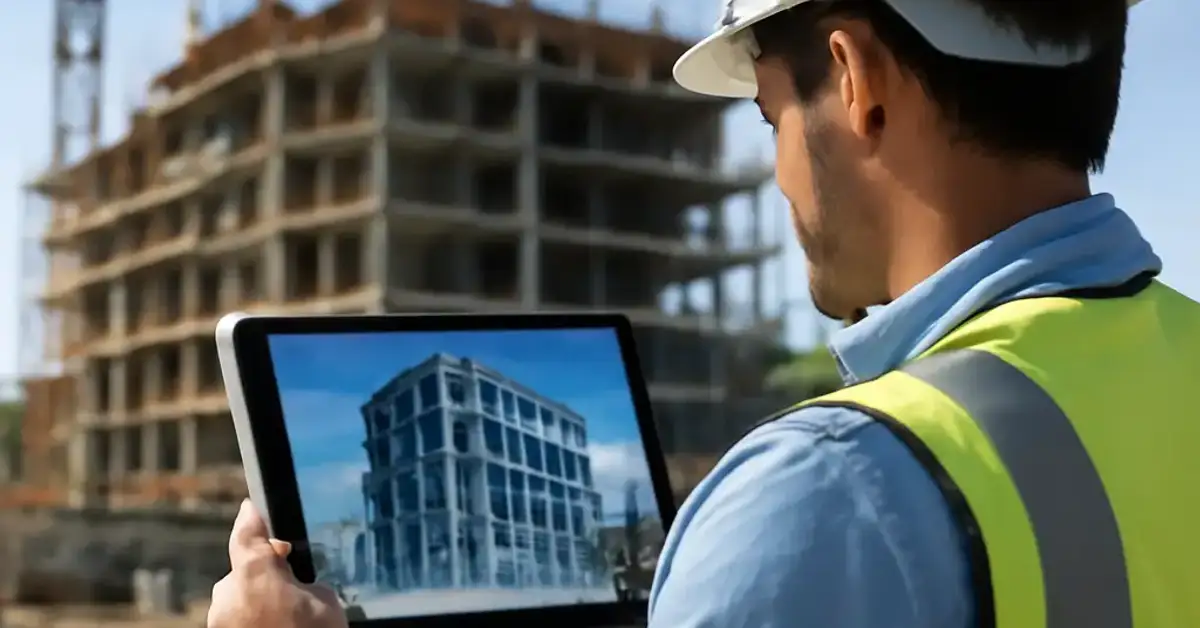
A digital twin is a virtual replica of a physical asset, process, or system that is continuously updated with real-world data. In the construction industry, Digital Twins in Construction combine Building Information Modeling (BIM), 3D modeling, IoT sensors, and advanced analytics to create a dynamic mirror of a building, bridge, highway, or entire city district. Unlike a traditional static model, a digital twin evolves from the design phase through construction and into operations, providing a single source of truth for all stakeholders. For a related guide, see Reducing Construction Delays Through Offshore Coordination.
At its core, a digital twin for construction leverages real-time monitoring data captured by sensors embedded in structures and equipment. This data flows into a cloud-based platform where engineers and project managers can visualize conditions, simulate scenarios, and predict outcomes. By bridging the physical and digital worlds, teams gain unprecedented insight into project performance, infrastructure lifecycle, and operational efficiency. For a related guide, see How Offshore Teams Improve Construction Project Delivery.
The Difference Between BIM and Digital Twins
While Building Information Modeling (BIM) provides a detailed 3D model during design and construction, a digital twin extends that model into the operational phase with real-time monitoring and asset management capabilities. A BIM model is typically static, whereas a digital twin incorporates live data from IoT sensors to reflect current conditions and enable predictive maintenance and virtual simulation.
| Feature | Building Information Modeling (BIM) | Digital Twin |
|---|---|---|
| Data source | Design and construction documents | Live IoT sensors, historical data |
| Purpose | Design coordination, clash detection | Operations, maintenance, simulation |
| Lifecycle phase | Design + construction | Design + construction + operation |
| Updatability | Manual updates | Autonomous, continuous updates |
This distinction is critical for large projects, where the handover from construction to operations often introduces data gaps. A digital twin ensures that construction data flows seamlessly into facility management, enabling long-term cost optimization and resource management.
5 Proven Benefits of Digital Twins for Large Construction Projects
1. Real-Time Project Monitoring and Structural Health
IoT sensors installed on cranes, concrete forms, and structural elements feed data into the digital twin, allowing teams to perform real-time monitoring of site conditions, structural monitoring, and progress tracking. For example, if a concrete pour cures faster than expected due to temperature, alerts can trigger immediate action, preventing delays and quality control issues. This continuous visibility helps project managers maintain construction planning accuracy and reduces rework.
2. Predictive Maintenance Reduces Downtime
Machinery breakdowns on a large project can cost thousands of dollars per hour. A digital twin uses historical and live sensor data to forecast equipment failures before they happen. This predictive maintenance approach shifts the team from reactive repairs to proactive servicing, minimizing unexpected downtime and extending asset life. Contractors can schedule maintenance during planned idle periods, keeping the project scheduling on track.
3. Cost Optimization Through Efficient Resource Management
Digital twins enable cost optimization by simulating multiple what-if scenarios for materials, labor, and logistics. Project managers can test different resource management strategies digitally, identifying the most efficient allocation before committing resources on site. This leads to smarter procurement, reduced waste, and better budget adherence. In large infrastructure projects, just-in-time delivery of materials based on twin simulations can cut inventory carrying costs by 15–20%.
4. Risk Management and Quality Control
Risk management is embedded into every phase of a digital twin project. By creating a virtual simulation of the construction sequence, teams can spot safety hazards, spatial conflicts, and compliance violations before they occur. Quality control improves because deviations from the design are instantly visible, allowing early correction. For complex environments like hospitals or power plants, this capability reduces the chance of costly rework and ensures regulatory compliance.
5. Enhanced Project Collaboration and Scheduling
Large construction projects involve dozens of stakeholders—owners, architects, engineers, contractors, and facility managers. A digital twin serves as a single collaboration platform, integrating project collaboration tools with real-time data. All parties can access the latest model, view construction analytics, and contribute to project scheduling. This transparency eliminates miscommunication, accelerates decision-making, and keeps everyone aligned on project performance goals.
Challenges and Best Practices for Implementing Digital Twin Technology
Despite the clear advantages, deploying digital twin technology on a large scale requires overcoming several hurdles. Data integration remains the top challenge: many legacy systems use incompatible formats, and owners must invest in digital engineering standards to unify construction data. Cybersecurity and data privacy also demand attention, as live sensor feeds and cloud platforms open new attack surfaces.
Successful adopters follow a phased approach. Begin with a pilot on a single asset class, define a clear data architecture, and ensure all partners are trained in the platform. Establish a governance model that assigns data ownership and quality standards. Finally, treat the digital twin as an evolving asset that delivers value across the entire infrastructure lifecycle, not just during construction.
The Future of Digital Twins in Construction: Smart Buildings and Sustainability
The next frontier for Digital Twins in Construction is the creation of fully smart buildings that optimize energy, water, and waste in real time. With the integration of AI and construction automation, twins will not only monitor but also autonomously adjust building systems. This will drive sustainability by reducing carbon footprints and enabling circular economy principles. As cities mandate green certifications and resilience standards, digital twins will become the foundation for intelligent infrastructure management and long-term operational efficiency.
Useful Resources
Explore these external resources for deeper insights into digital twin adoption in construction:
- Digital Twins in Construction: Benefits and Use Cases – Autodesk Construction Blog
- Digital Twins for Infrastructure – Arup Perspectives
Frequently Asked Questions About Digital Twins in Construction
What are digital twins in construction ?
Digital twins in construction are dynamic, data-connected virtual replicas of physical assets, such as buildings or bridges. They use BIM, IoT sensors, and real-time analytics to mirror the as-built condition throughout the entire lifecycle, from design through operation.
How do digital twins improve large construction projects?
Digital twins improve large projects by enabling continuous real-time monitoring, predictive maintenance, and data-driven decision-making. This leads to fewer delays, lower costs, and better quality outcomes.
What is the difference between BIM and a digital twin?
BIM is a static 3D model used primarily for design and construction coordination, while a digital twin is a living model enriched with live sensor data and used for operations, simulation, and asset management.
How do digital twins help reduce project risks and delays?
They allow teams to simulate construction sequences, identify clashes and safety hazards in advance, and monitor real-time conditions to prevent costly rework and unexpected downtime.
How can construction companies use digital twins for real-time project monitoring?
Companies deploy IoT sensors on equipment and structures, and the data feeds into the twin platform. Dashboards display live metrics, enabling managers to track progress, environmental conditions, and equipment health instantly.
What are the cost and productivity benefits of digital twin technology?
Digital twins can reduce total project costs by up to 20% through optimized resource allocation, reduced rework, and efficient maintenance scheduling. They also boost productivity by streamlining collaboration and automating routine tasks.
How do IoT sensors and live data enhance digital twins?
IoT sensors provide the continuous stream of data that makes a digital twin “live.” They capture temperature, vibration, usage, and structural stress data, which the twin uses to update its model and trigger alerts or automated actions.
Which types of infrastructure projects benefit most from digital twins?
Large, complex projects such as hospitals, airports, power plants, bridges, and transportation hubs benefit most because of their long operational lifespans and the need for efficient facility management.
What challenges should companies consider before implementing digital twin technology?
Key challenges include data integration from disparate systems, high initial investment, cybersecurity concerns, and the need for skilled personnel. A phased adoption with clear governance can mitigate these issues.
How can digital twins improve planning, collaboration, asset management, and long-term project success?
They provide a single source of truth that unifies all stakeholders, simplifies handover to facility management, and supports long-term operational efficiency through continuous data-driven insights.
How do digital twins support sustainability in construction?
Digital twins enable simulation of energy use, material waste, and carbon footprint, allowing teams to optimize designs for sustainability and monitor real-time performance to meet green certification standards.
What software is commonly used for digital twins in construction ?
Popular platforms include Autodesk Tandem, Bentley iTwin, Microsoft Azure Digital Twins, and Siemens Xcelerator. Many integrate with BIM tools like Revit and Navisworks.
How does digital twin technology improve facility management?
After construction, the twin becomes an operational tool. Facility managers use it to monitor systems, plan maintenance, manage space, and even train staff virtually without disrupting operations.
Can small construction companies benefit from digital twins?
Yes, even on modest projects, a simplified digital twin can improve coordination and reduce errors. Cloud-based solutions and pay-as-you-go models make the technology accessible to smaller firms.
What is the role of AI in digital twins for construction?
AI enhances digital twins by enabling predictive analytics, anomaly detection, and automated decision-making. It can forecast equipment failure, optimize schedules, and even suggest design improvements based on performance data.
How do digital twins improve safety on construction sites?
By simulating dangerous tasks and monitoring real-time site conditions, digital twins help identify safety risks before they cause accidents. Wearables and sensors can also alert workers to hazardous situations.
What is the typical return on investment for digital twin projects?
Many large projects report a ROI of 3 to 5 times within the first few years, driven by savings in maintenance, energy, and reduced project delays. The exact figure depends on the scale and type of asset.
How do digital twins integrate with existing construction management software?
Modern digital twin platforms offer APIs that connect with tools like Procore, PlanGrid, and Oracle Primavera, allowing seamless data exchange between scheduling, cost control, and the twin environment.
What is the future of digital twins in smart cities?
Digital twins will form the backbone of smart cities, linking buildings, transportation, utilities, and public services into a unified, real-time model for improved urban planning, resilience, and citizen services.
Are there any standards for digital twin data in construction?
Industry bodies like buildingSMART and the Digital Twin Consortium are developing open standards, but widespread adoption is still evolving. Following ISO 19650 and IFC standards helps ensure interoperability.